Key Features
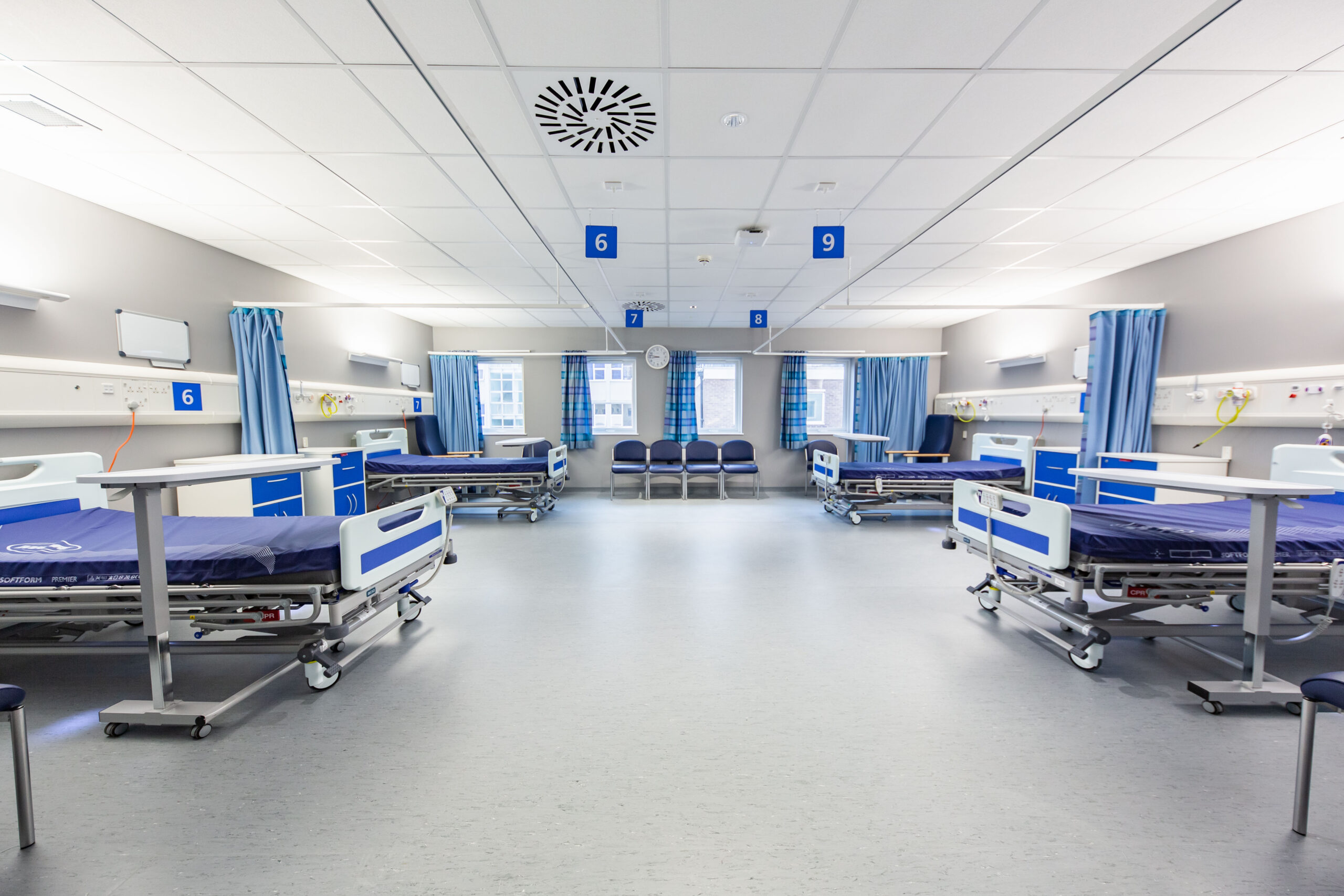
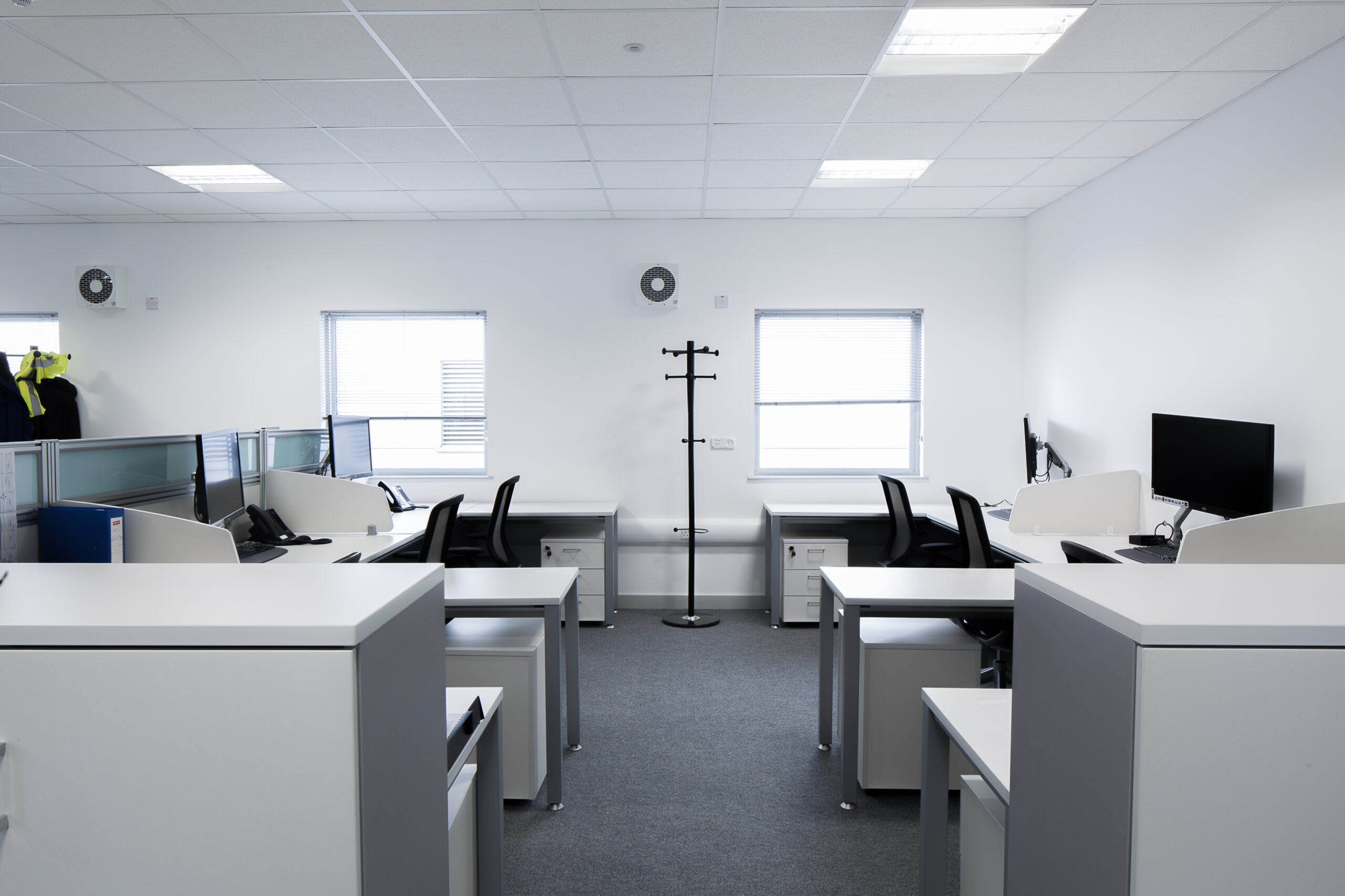
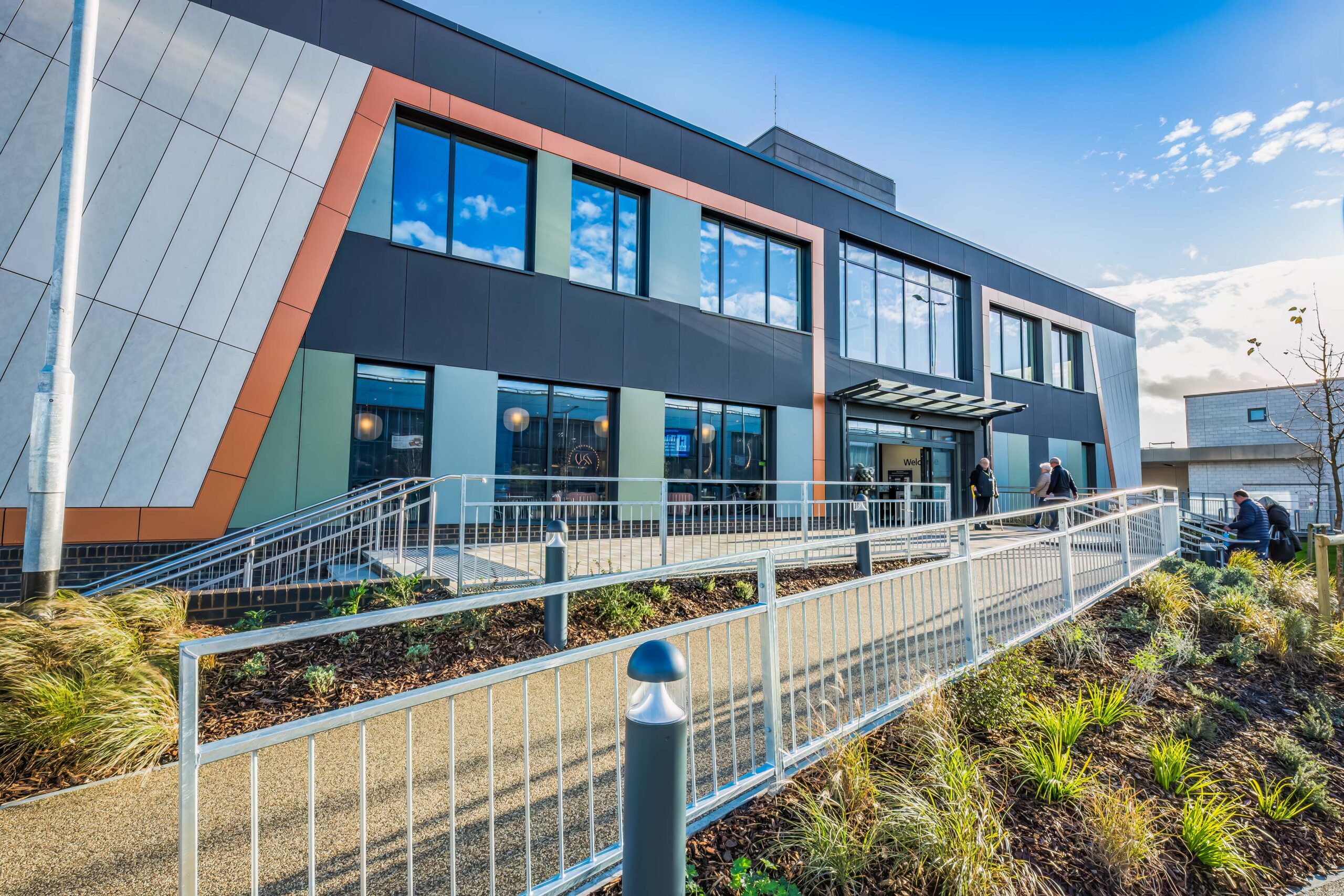
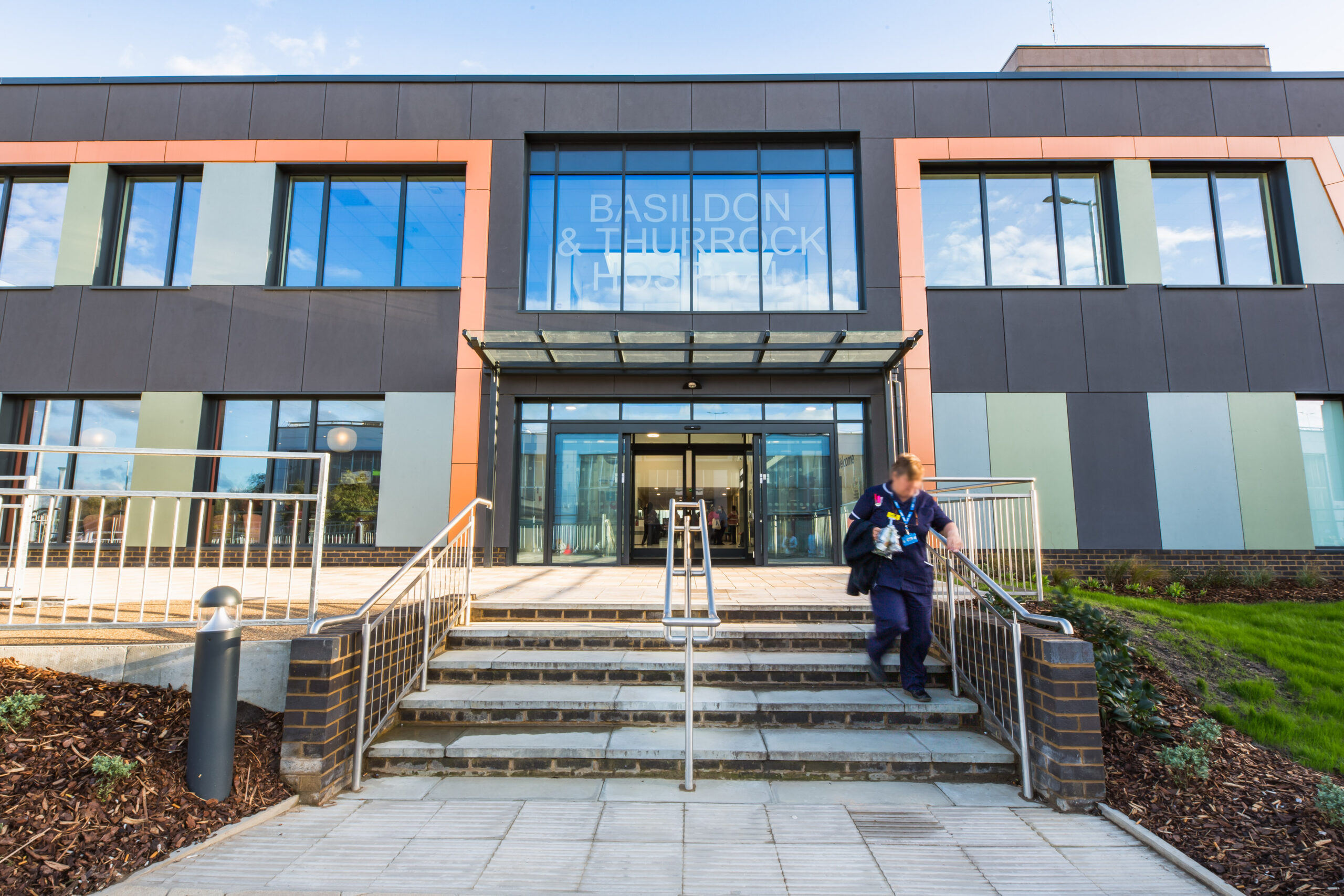
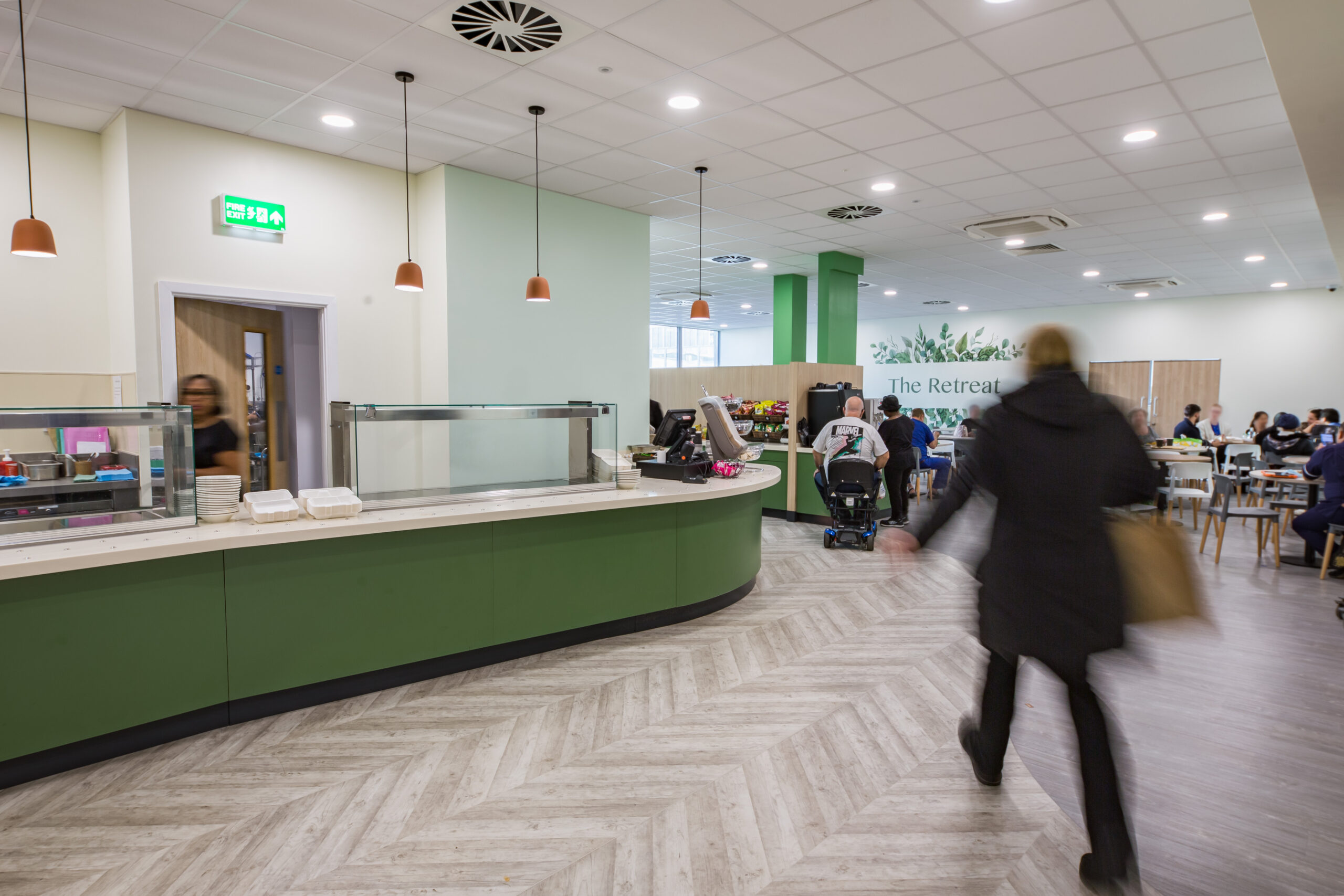
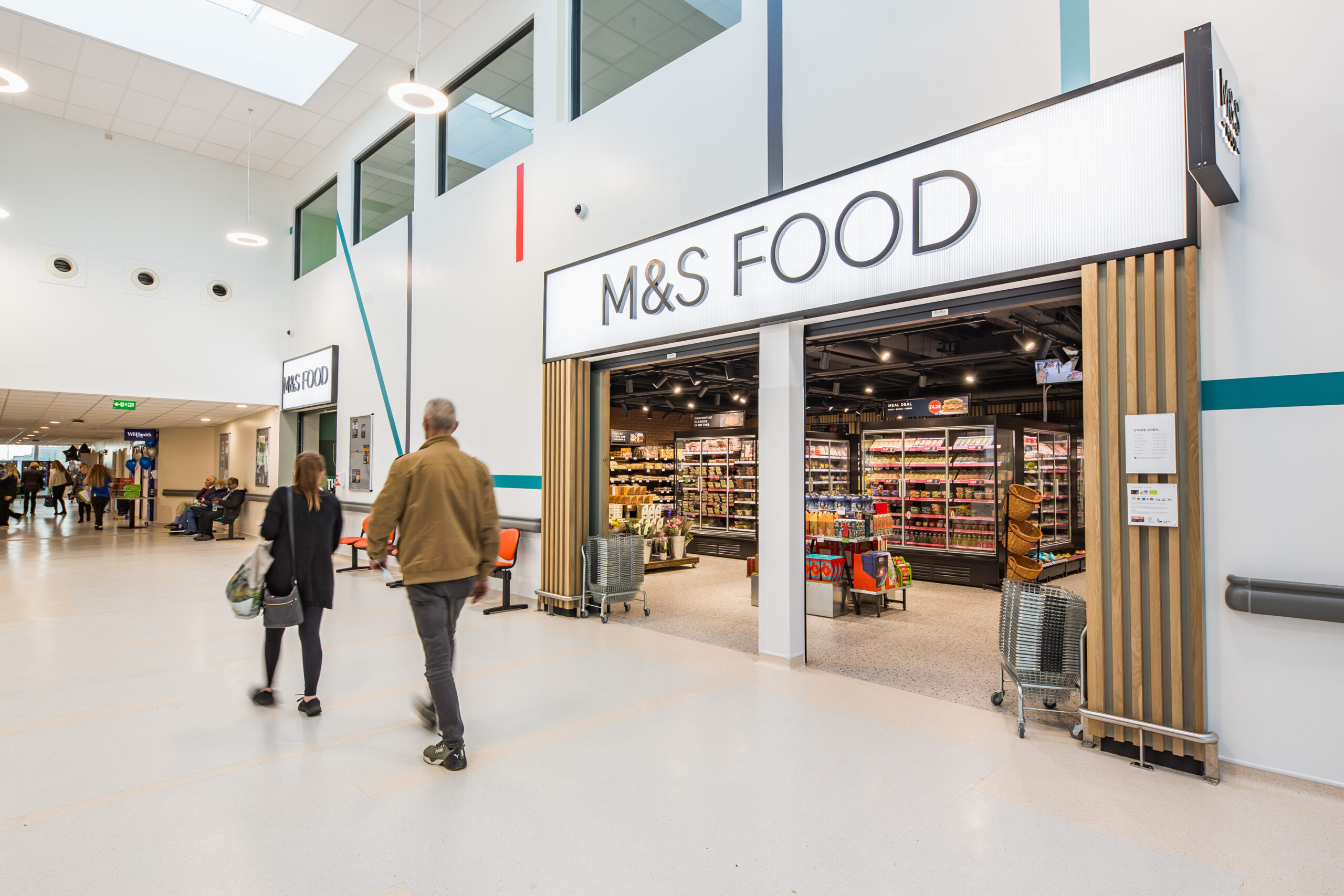
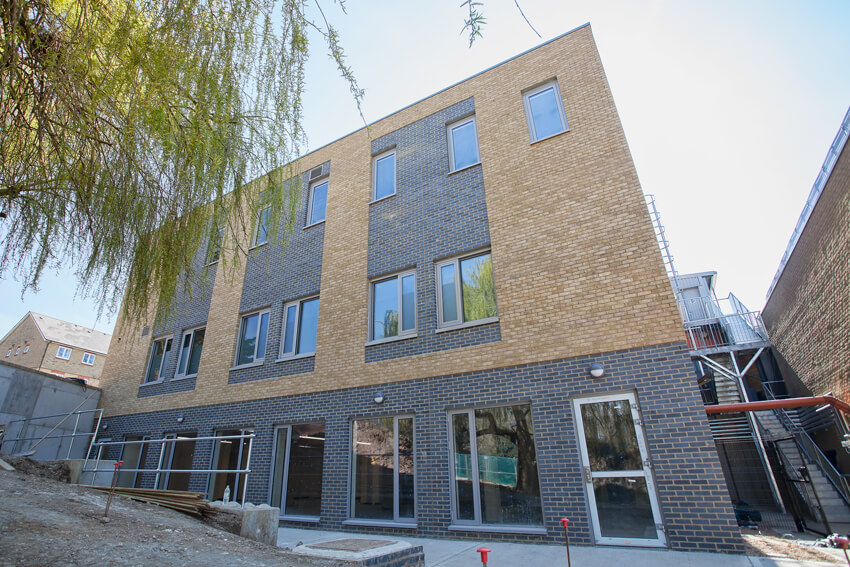
Careful planning, close collaboration with all stakeholders, the harnessing of digital technology and the client decision to use offsite manufacturing enabled this significant project at Basildon University Hospital to be delivered just 29 weeks after the contract was awarded.
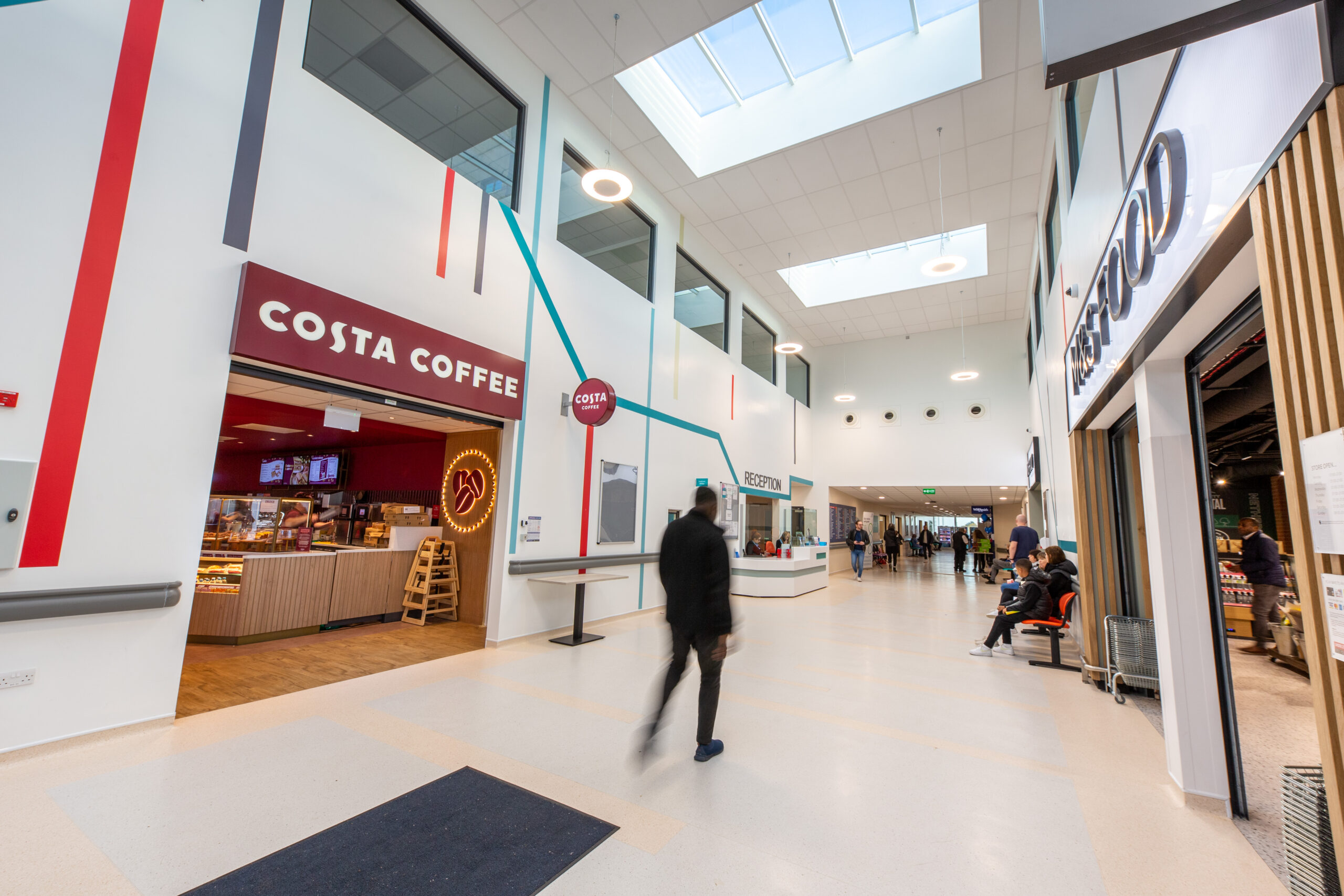
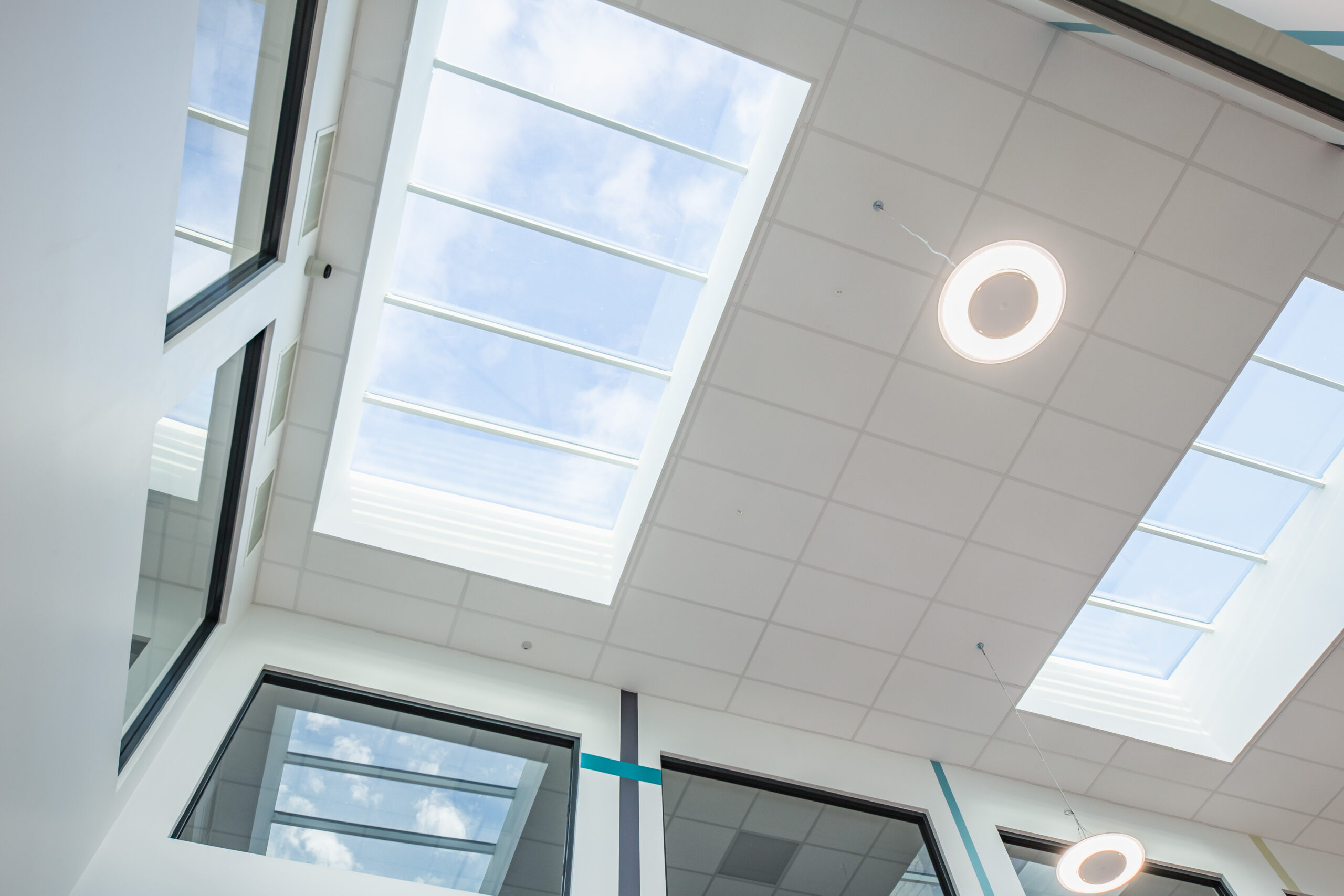
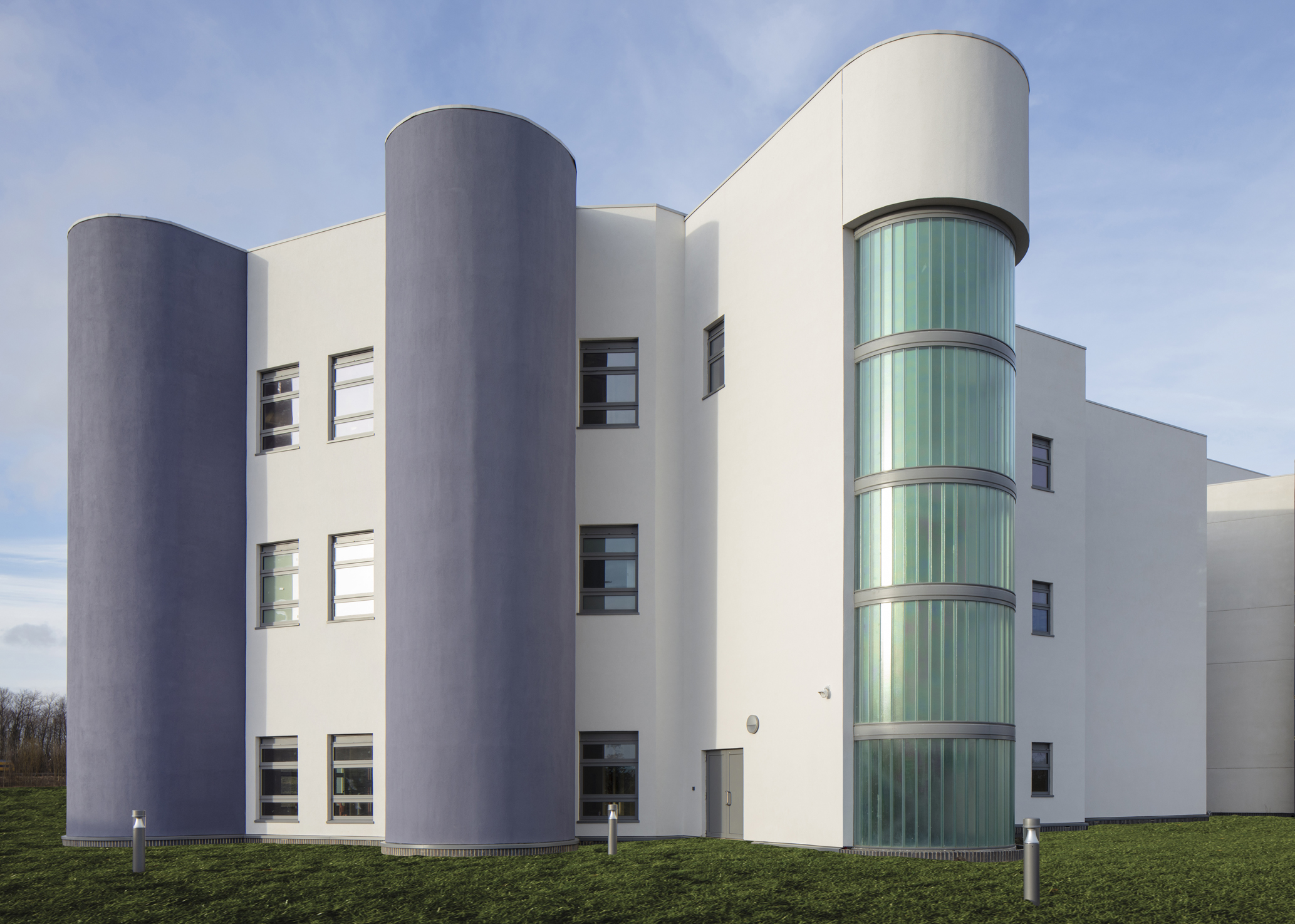
Featuring a double storey atrium that floods the new extension with natural light, McAvoy utilised non-combustible insulation throughout, ensuring the building benefits from high levels of temperature consistency at all times of the year.
Project timeline and budget certainty, together with the identification of any potential build issues, was achieved through the use of BIM which is a key tool used on many McAvoy schemes.
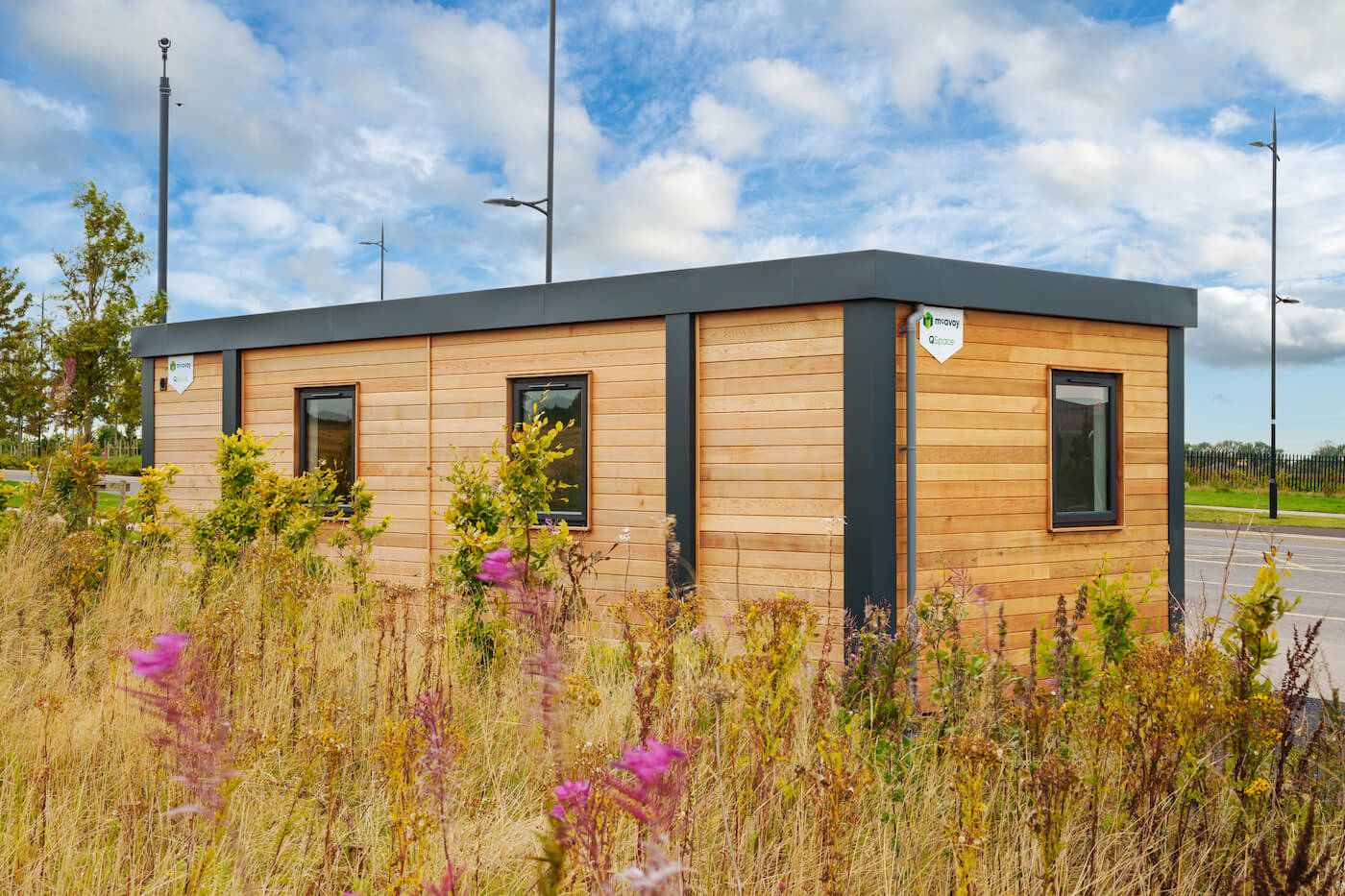
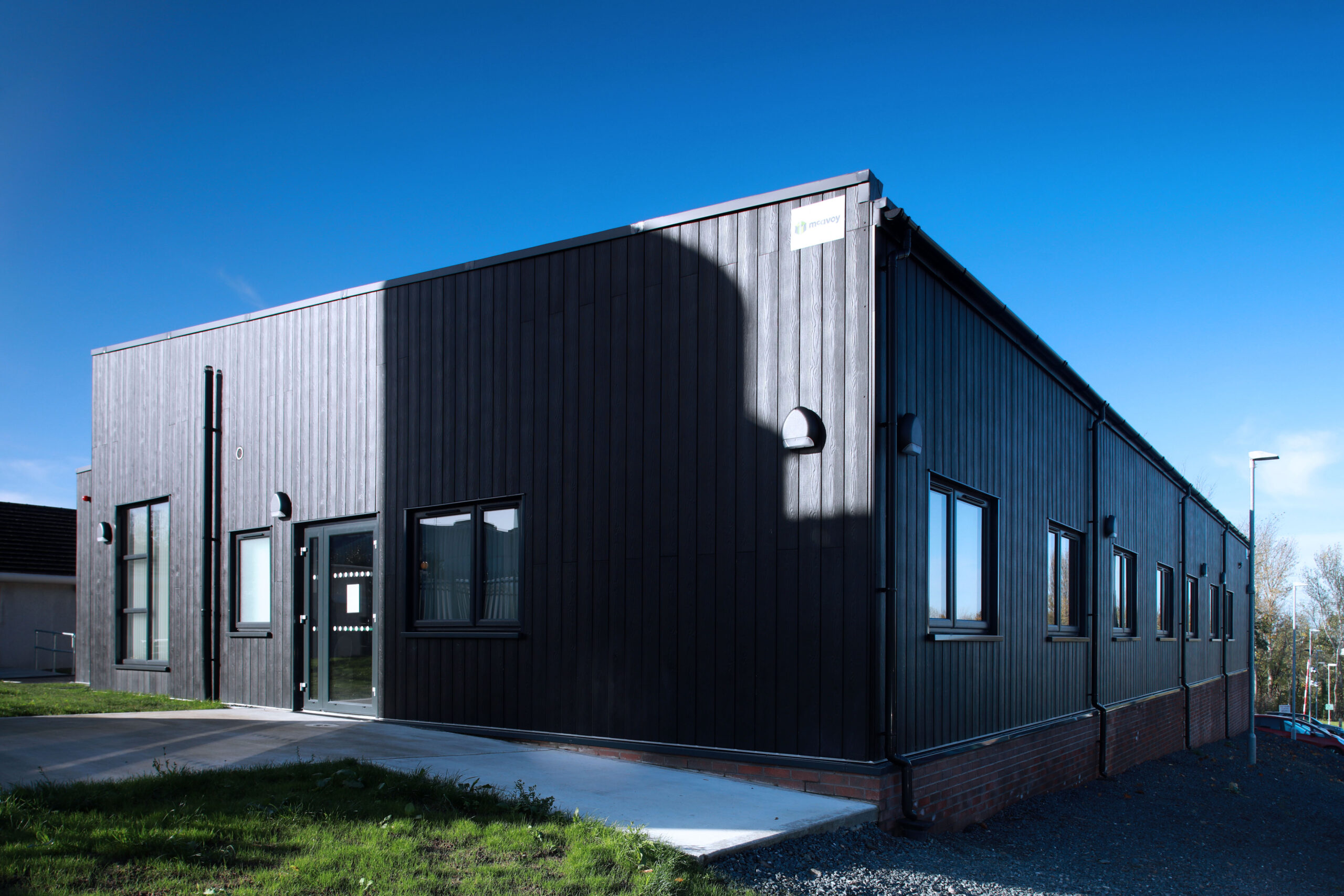
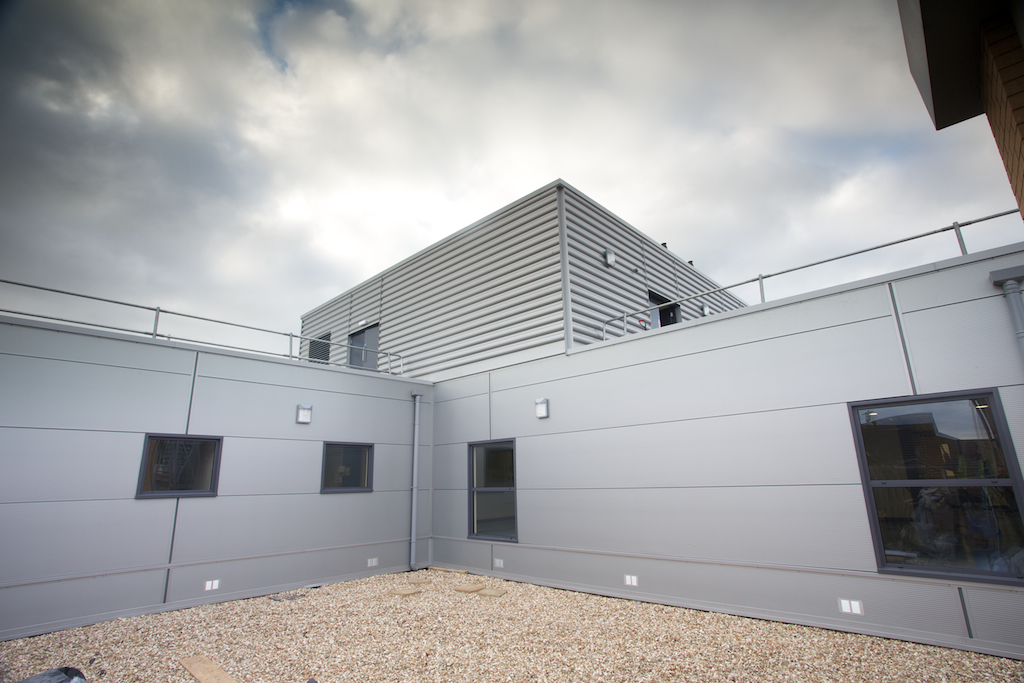
In total the extension comprised 32 modules featuring 16 floor/roof cassettes manufactured in McAvoy’s 70,000 sq ft manufacturing facility under strictly controlled factory conditions. Once on site it took just five days to install the units and an additional two days to apply roof coverings. Within a total of only three weeks the space was watertight and ready for fit-out.
McAvoy have also redesigned the road layout making it easier for vehicle traffic to enter and exit the hospital as well as creating a truss garden featuring a permanent fir tree for the hospital to decorate each December.
Project Challenges
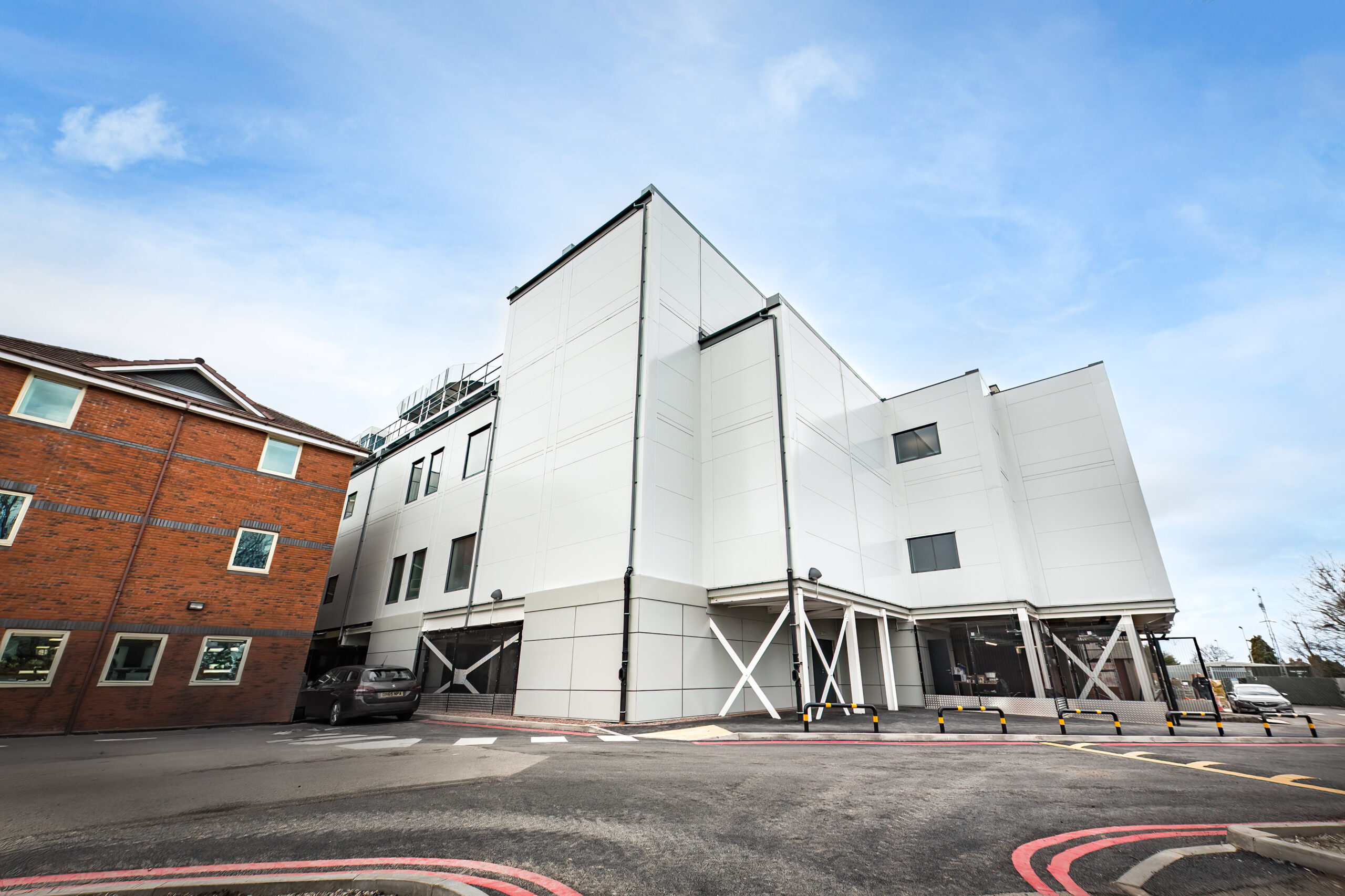
addition to this being a live, operational hospital entrance, the last third of the building is built over a basement using a cantilevered foundation which left very little room for error on the concrete and module install.
An additional challenge lay in the fact that part of the build had to be placed over the hospital’s main plant room which was protected by a concrete road slab and cooled by a series of plenum and force fans. The challenge here was to ensure no load was placed upon the slabs without disrupting the operation of the cooling system. The solution was in the sub structure make-up and, as it evolved, heavy duty cantilevered beams were designed with heavy duty ground supported beams and infill slabs at one end enabling the other to be suspended.
The modular build complemented the concept by changing the normal practice of working our way out from the furthest lift, to lifting in front evolution to the back link section – thus ensuring the ground beam section of the slab was fully loaded before any imposed additional weight was placed on the cantilevered area.
Challenges
Working in a live healthcare environment presented several challenges that required careful planning and coordination:
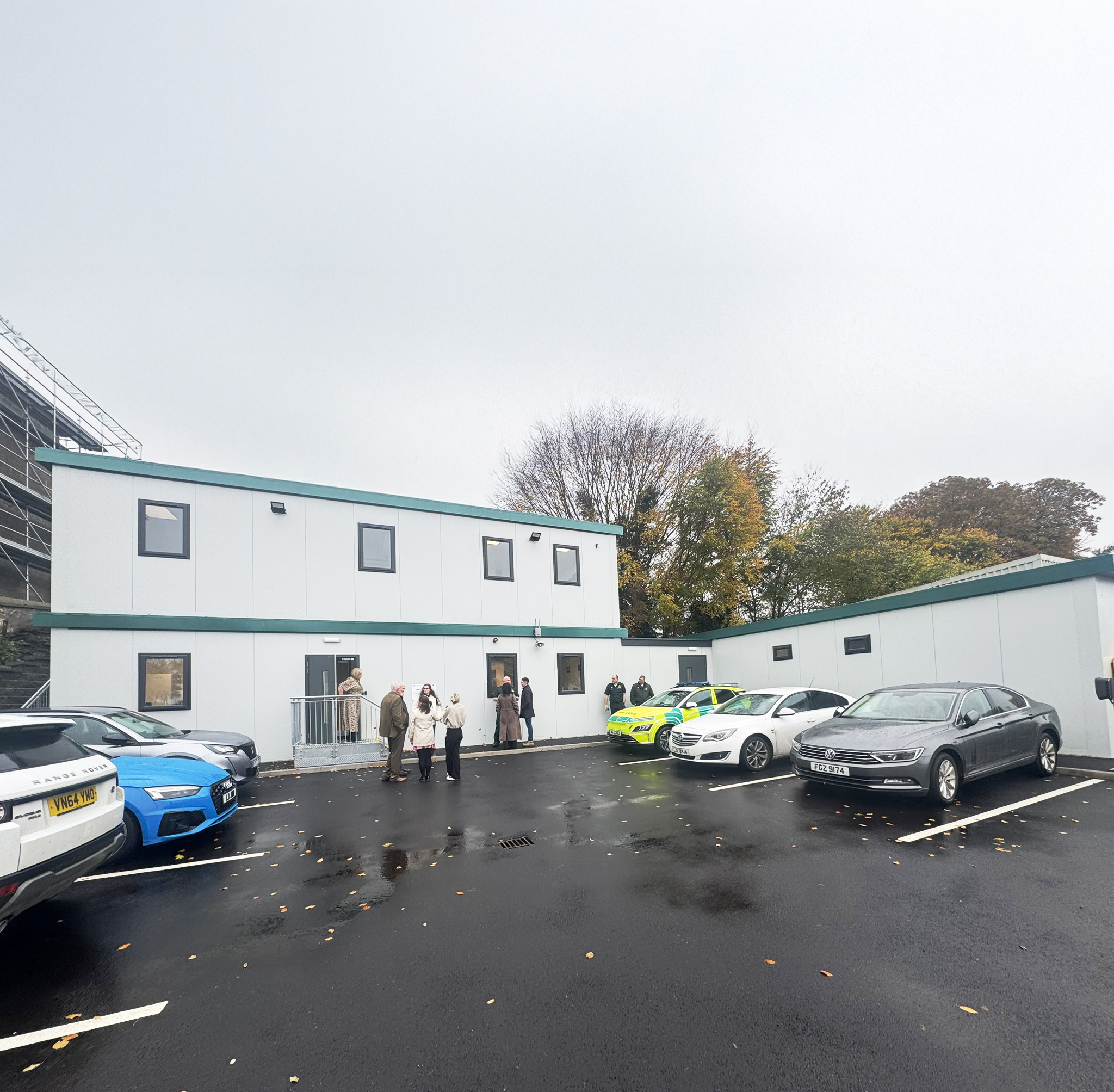
- Maintaining unrestricted ambulance access within the blue-light emergency zone.
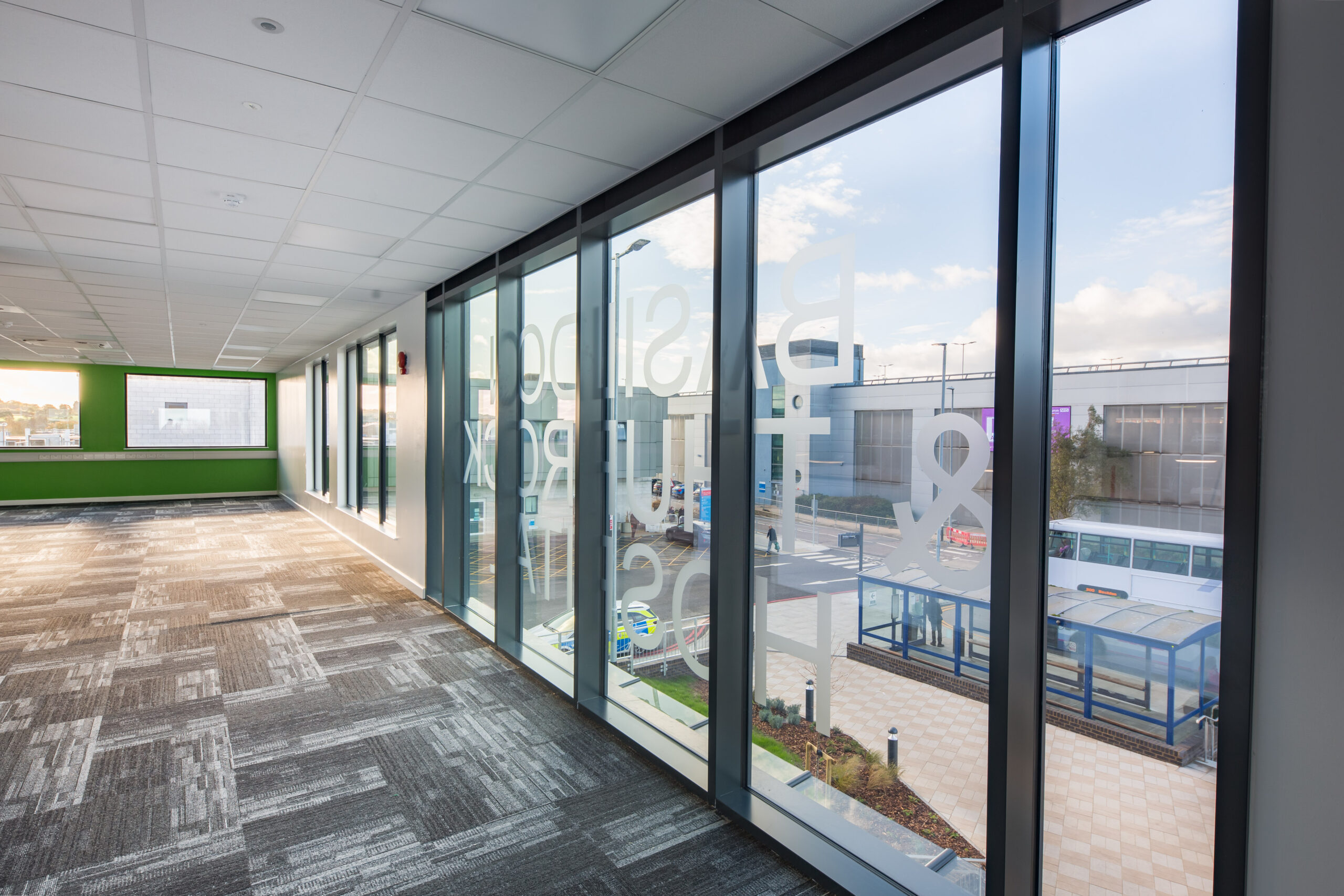
- Managing pedestrian interfaces, as the extension is adjacent to busy public walkways and the A&E department.
- Developing detailed traffic management plans in collaboration with external authorities to minimise disruption.
- Proactive stakeholder engagement through newsletters, signage, and regular updates to staff, patients, and local residents.
Despite these complexities, hospital operations continued uninterrupted throughout, with patient and staff safety prioritised at every stage.
Building a Sustainable Future
The project achieved 99% waste diversion from landfill, with 530 tonnes of demolition and excavation waste recycled, and uncontaminated soil repurposed offsite. Connecting into the existing power supply, eliminated the need for temporary diesel generators, reducing carbon emissions and environmental impact.
Social Value
Beyond the delivery of a high-quality healthcare facility, the project created lasting social and community benefits. Highlights included:
- 20% of the workforce was locally employed within a 15-mile radius of the site.
- Use of apprentices during both the factory build and site installation, providing valuable skills development.
- Appointment of local subcontractors and suppliers, with materials sourced nearby wherever possible.
- Organisation of staff site visits and regular communication with staff, patients and residents through newsletters, signage and information boards.